Company: University of Western States
Project Duration: September 2021 – December 2021
Project Overview
Objective: Redesign the University of Western States’ food court and barista stand to achieve profitability.
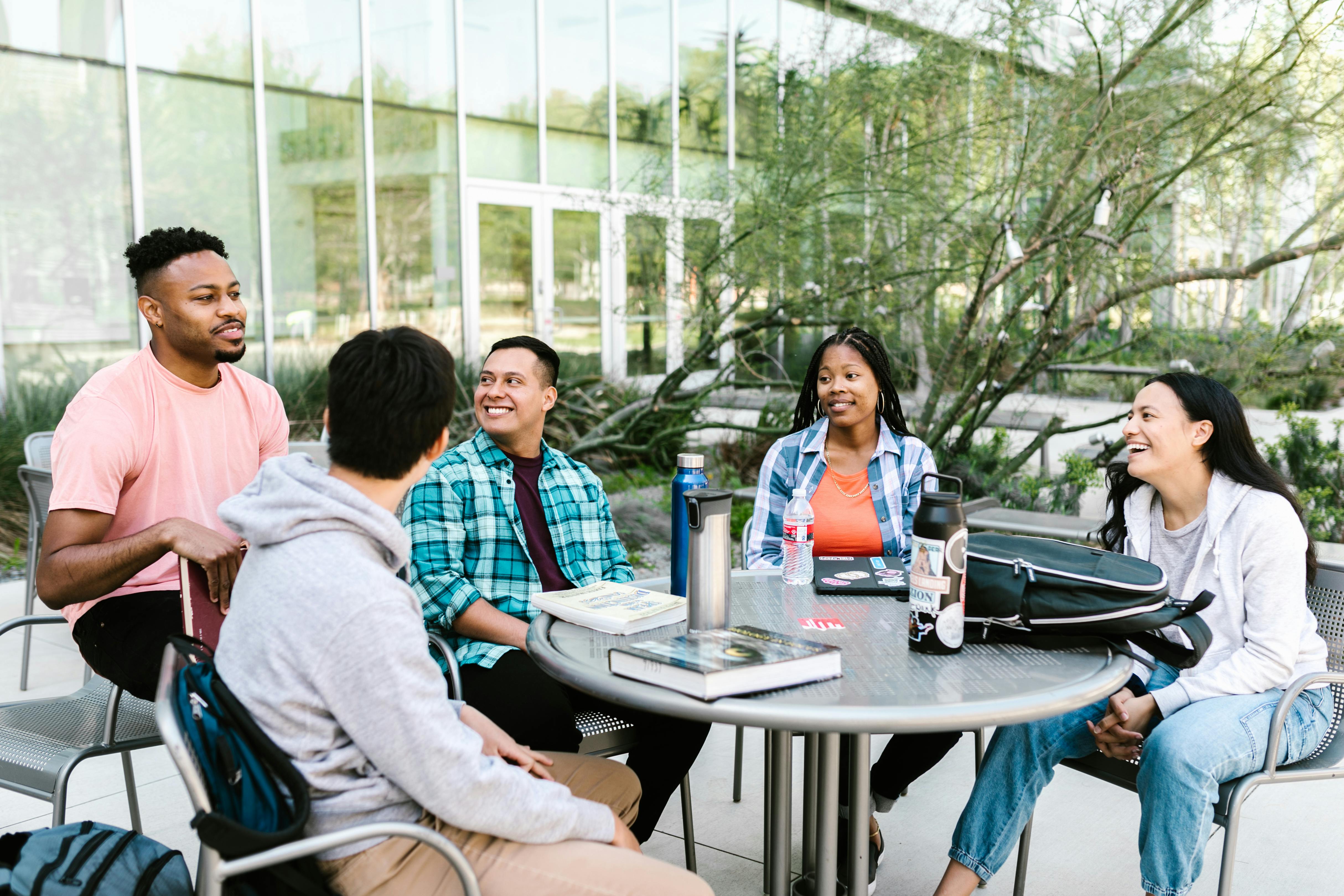
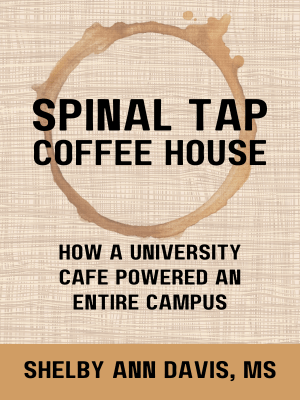
Following the University’s relocation to a consolidated campus in 2020, the food court and barista stand began operating at a loss. Along with a colleague, I was tasked with transforming these operations into a profitable business.
Collecting Data


Over two weeks of customer interactions during regular business hours, we identified several recurring issues that previous management had overlooked:
- Inefficent practices: The store had not updated its processes or food and beverage selection following the campus relocation, resulting in outdated business practices and expiring products.
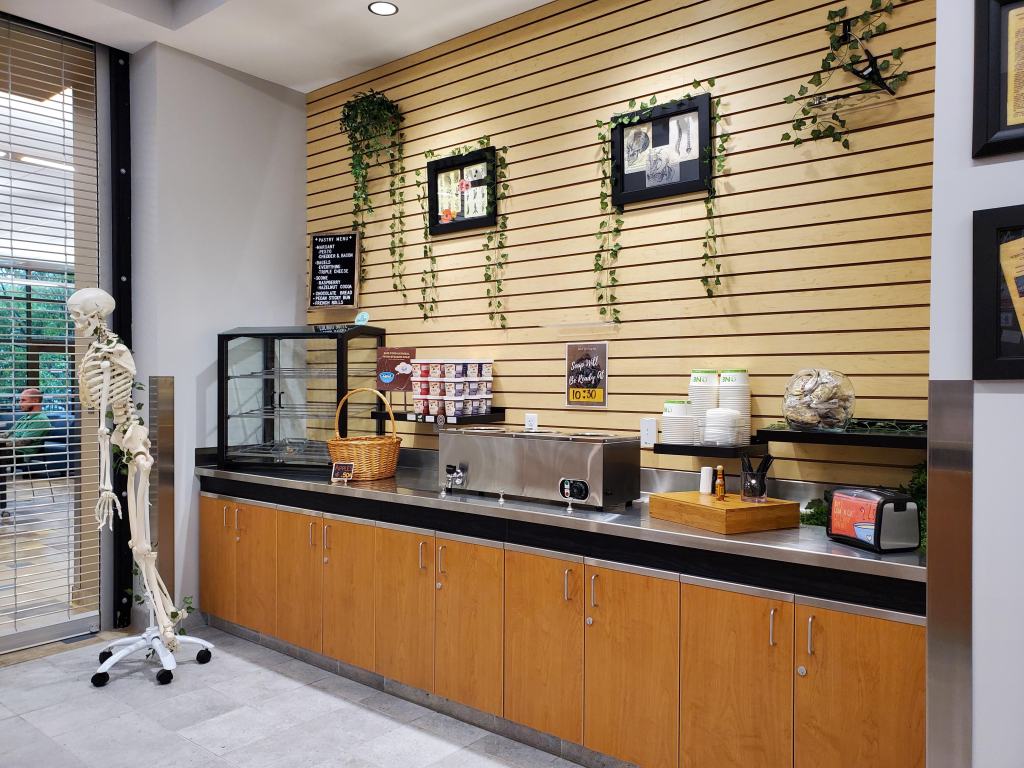
- Absence of personality: The store’s layout lacked cohesive design and failed to cater effectively to its target audience.
- Poor customer service: Limited interaction with students and staff left customers feeling rushed and undervalued by the staff.
Solutions

To address these pain points, I implemented the following solutions:
- Introduced new products through sampling initiatives and strategic product placement.
- Developed a comprehensive store redesign plan.
- Established new procedures to enhance customer interactions and streamline store management.
- Create engaging, limited-time events.


Store Redesign
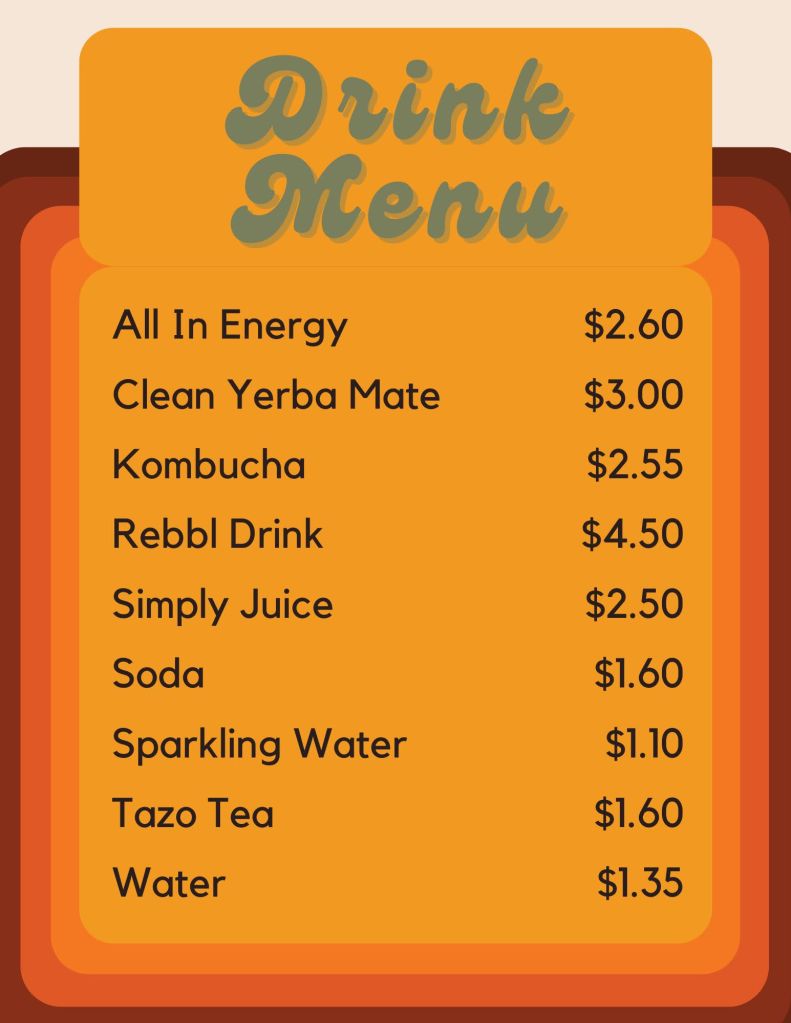
Given the Human Nutrition and Functional Medicine program and the Portland community, my target audience valued holistic and ethically sourced products.
For Spinal Tap, I drew inspiration from Portland’s coffee shop culture and traditional campus store aesthetics to create a warm, vibrant 70s-inspired color palette and font design. With these influences, I developed a comprehensive branding kit that reflected the store’s inviting and relaxed atmosphere.

Results

My efforts transformed the store from operating at a deficit into a profitable business. Additionally, we observed the following outcomes:
- Increased variety in customer purchases across their lifecycle.
- Students and staff enjoyed the welcoming environment, often staying to chat, study, or relax.
- Customers actively participated in our events and eagerly anticipated future limited-time offerings.
Conclusion
By actively listening to our customers and taking a balanced approach, we successfully transformed Spinal Tap into a profitable venture. This project highlighted the importance of combining data-driven decisions with a personal touch.
If you’d like to learn more about this project or my approach, feel free to reach out with any questions.
 Shelby Ann Davis